

Trump Administration Proposes Ceasefire Plan as US Troop Buildup Continues in Middle East
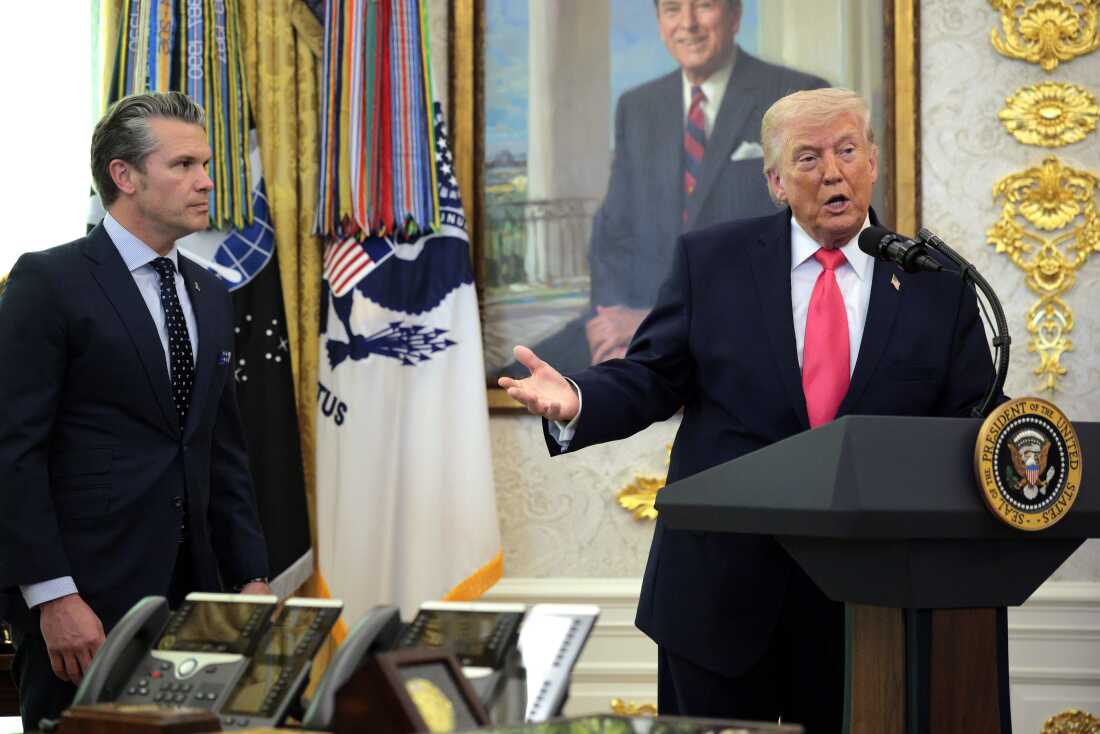
The Trump administration has proposed a 15-point ceasefire plan to Iran, according to a source familiar with the proposal, amid escalating tensions in the Israel-Iran conflict. The diplomatic effort coincides with the U.S. military’s preparation to deploy at least 1,000 additional troops to a region that already hosts around 50,000 American service members.
The suggestion was relayed to Tehran through Pakistani intermediaries, with Pakistan also offering to host new negotiations between Washington and Tehran.
🔥 1. Iran Mocks Trump’s Negotiations Claihttps://timesofindia.indiatimes.com/m — ‘Defeat, Not Agreement’
A senior Iranian military spokesman publicly derided President Trump’s assertion that the US was engaged in meaningful negotiations with Tehran to end the conflict. Iran’s official response ridiculed the claim, saying the US was merely “negotiating with itself” and had nothing substantive with Iran — dismissing Washington’s narrative as a cover for failure, not progress. Tehran also stated: “don’t dress up your defeat as agreement.”
Iran’s rhetoric emphasized that the Americans have no real leverage and that claims of negotiations are more propaganda than fact — indicating deep distrust toward the US government’s public messaging.
✈️ 2. Continuing Hostilities — Missiles and Ground Tensions
Despite diplomatic talk, military actions continue unabated:
- Iran launched further missile salvos into Israel, sharply escalating tensions in the region.
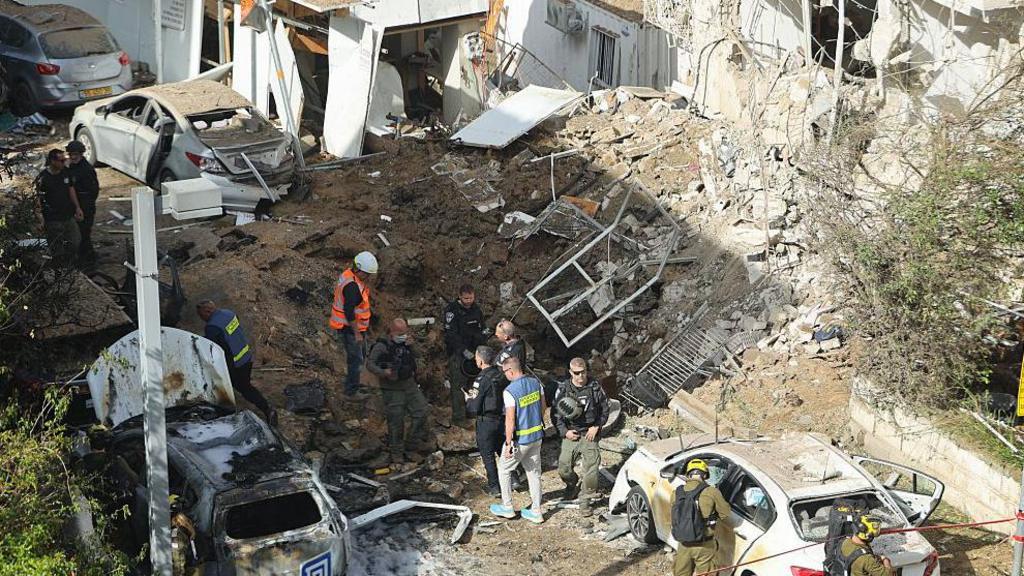
- Israeli forces remain on high alert with inspections following Iranian strikes.
The ongoing hostilities suggest that any attempt to pause the war has limited impact — on-the-ground violence persists even as political messaging shifts.
🇮🇱 3. Mixed Signals on Diplomacy from the US and Israel
While Iran rejects negotiations outright, officials from the US and Israel have broadcast contrary signals:
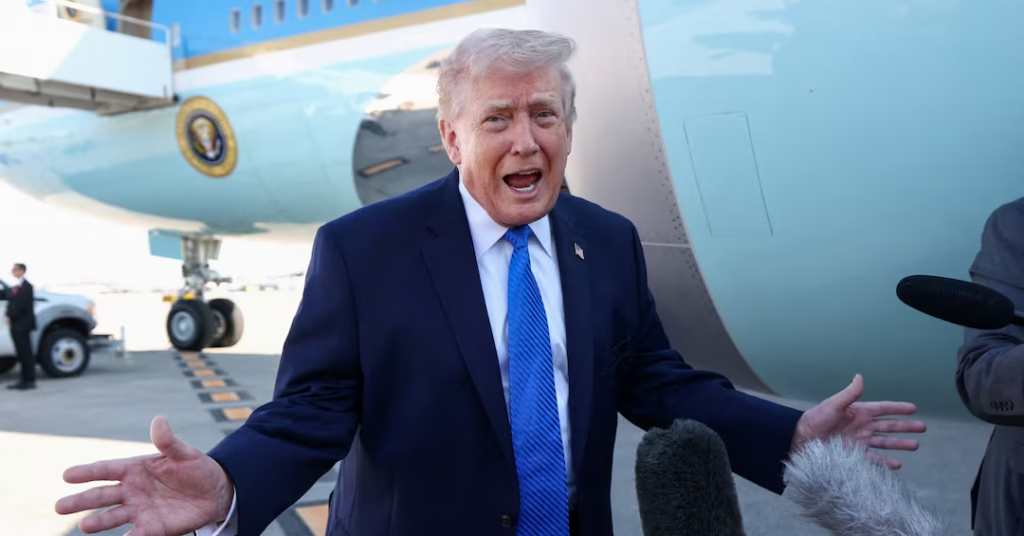
- US President Trump claimed there had been “very good and productive” talks and proposed a ceasefire/diplomatic plan.
- Three senior Israeli officials confirmed Trump’s eagerness for a deal, yet expressed skepticism that Iran will accept US demands, especially regarding Iran’s nuclear and ballistic missile programs.
This divergence shows a disconnect between what Washington and Tel Aviv are pitching publicly and how Tehran perceives it.
📉 4. Iran’s Toughened Negotiating Stance
Independent reporting and sources suggest that Iran has significantly hardened its stance on potential negotiations — placing strict conditions on any talks. Proposed Iranian demands reportedly include:
- A formal end to hostilities.
- Guarantees against future military action.
- Compensation for wartime damages.
- Control over the strategic Strait of Hormuz.
- Rejection of any curbs on its missile program.
Such conditions make real negotiations extremely challenging and reflect Tehran’s broader strategy to preserve national sovereignty and security leverage amid the conflict.
🧨 5. Wider Iranian Reaction and Threats
In addition to mocking Trump and rejecting talks:
- Some Iranian factions issued warnings that any attack on infrastructure could provoke severe retaliation, even targeting individuals directly.
- Reports indicate Iranian authorities fear that ceasefire talks might be a trap — possibly aimed at assassinating senior leaders.
These remarks underscore Tehran’s suspicion and strategic resistance to outside pressure.
🕊️ 6. Mediation Efforts Continue but Face Major Barriers
“Nations such as Pakistan, Turkey, and Egypt have been proposed to act as mediators to enable indirect discussions or host potential peace summits, with Islamabad emerging as a likely venue for these meetings.”
Nevertheless, Iranian officials maintain that any discussions must occur strictly on their conditions, and they assert that no face-to-face negotiations have taken place.
Tehran’s official position is that neither the United States nor Israel has actually paused military operations, and it views Washington’s claims of diplomatic breakthroughs as overstated and misleading.
📍 Summary — What This Means for the War
✔ Iran is publicly rejecting US claims that negotiations are underway and mocking Trump’s statements.
✔ Military activity remains high, with missiles launched and defenses active.
✔ Diplomatic messaging is contradictory — the US insists talks exist, Iran says they do not.
✔ Iran’s negotiating conditions are increasingly stringent, if not impossible to fulfill.
✔ Regional and international mediators are involved but have yet to secure a breakthrough.
In short: While Washington continues to publicly tout the possibility of ending the catastrophic Middle East conflict through diplomacy, Iran’s leadership is aggressively dismissing these claims and maintaining a posture of resistance. The clash between political messaging and military reality deepens the crisis, making a negotiated end increasingly elusive as of March 25, 2026.
The suggestion was relayed to Tehran through Pakistani intermediaries, with Pakistan also offering to host new negotiations between Washington and Tehran.
loyments signal continued military buildup in the region
Iran denies talks even as conflict with Israel intensifies
Strait of Hormuz tensions disrupt global shipping and fuel markets
Any negotiations face major hurdles amid distrust and ongoing strikes







Leave a Reply