

India Pakistan T20 World Cup Crisis Resolution and ICC Action
India Pakistan T20 World Cup crisis resolution came just in time to save the tournament. The situation created tension among fans and officials. The International Cricket Council (ICC) took quick action. It held discussions with all parties and ensured the February 15 match stayed on schedule.
How the Crisis Started
The issue began when the Pakistan Cricket Board (PCB) raised concerns. It even considered a boycott. The Bangladesh Cricket Board (BCB) also became part of the situation. Political pressure increased the tension. This created uncertainty around the match.
ICC Steps In to Resolve the Issue
The ICC handled the matter with strong leadership. Officials stayed in constant contact with both boards. They made it clear that all teams must follow tournament rules. The ICC did not allow selective participation.
The India Pakistan T20 World Cup crisis resolution did not happen overnight. Officials worked across time zones. They held multiple discussions before reaching a final agreement.
Final Decision Before the Big Match
Pakistan later withdrew its boycott threat. The government also supported the decision. The match received final approval before February 15. This decision brought relief to fans across the world.
The India Pakistan T20 World Cup crisis resolution ensured that the tournament continued smoothly without disruption.
ICC Maintains Neutral Position
The ICC treated all members equally. It did not impose penalties on Bangladesh. It also allowed the board to follow proper dispute channels. This showed the ICC’s commitment to fairness and balance.
Strong Leadership and Global Coordination
ICC leadership stayed active throughout the process. Officials managed discussions from multiple locations. They coordinated efforts from cities like Mumbai, Lahore, and London. This teamwork helped resolve the issue quickly.
Fan Engagement and Tournament Success
The resolution boosted fan confidence. Digital engagement increased across platforms. Millions of fans watched and followed the matches online. Stadium attendance also remained strong. It reflected the uncertainty that had surrounded the T20 World Cup, as speculation and rumors had dominated discussions about what would happen on February 15. With the issue now settled, the message praised the efforts of those who helped bridge differences and restore focus on the tournament, allowing excitement among fans to return.
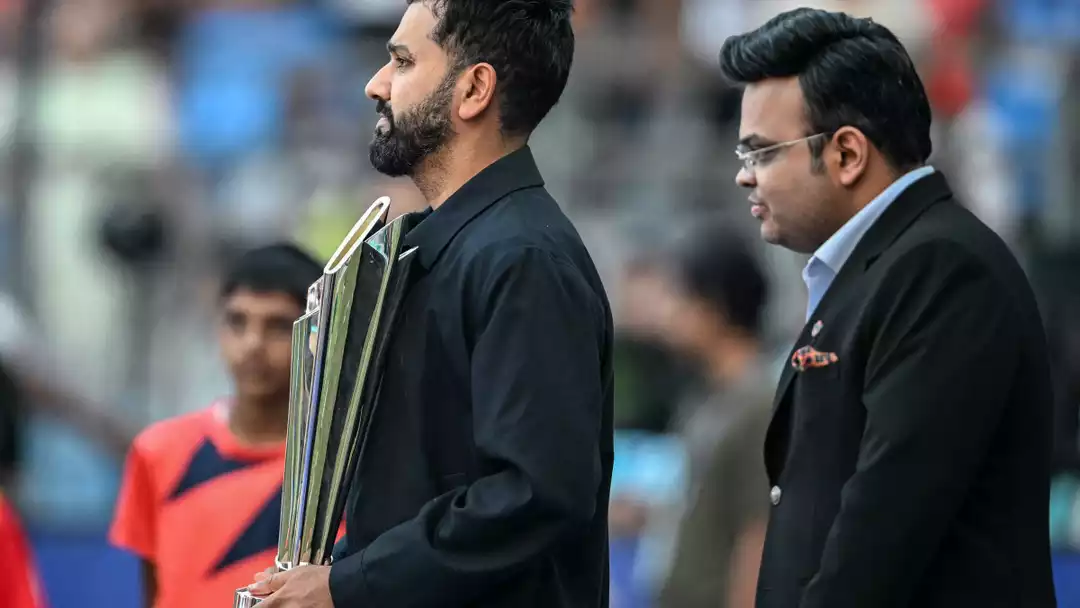
The India–Pakistan boycott situation proved to be one of the earliest major challenges during Jay Shah’s tenure at the International Cricket Council (ICC). Questions had been raised about the ICC’s neutrality, but the crisis was eventually resolved just five days before the high-profile match scheduled in Colombo. The Pakistan Cricket Board (PCB) withdrew its boycott threat, while the Bangladesh Cricket Board (BCB) also aligned with the final decision.
The resolution came after continuous negotiations rather than happening automatically. Both boards remained in close communication, and the situation even drew the involvement of Pakistan’s Prime Minister, Shehbaz Sharif, who confirmed on Sunday night that the February 15 match would proceed as scheduled.
In its official statement, the ICC emphasized that all participating members had agreed to honor their commitments and work toward ensuring the success of the ongoing ICC Men’s T20 World Cup. Reports suggesting additional demands—such as bilateral or tri-series involving India, Pakistan, and Bangladesh—were not accepted.
Throughout the situation, Shah maintained the ICC’s firm stance on tournament regulations while continuing dialogue with the concerned boards. The PCB was reminded that although governments may influence national decisions, selective participation in global events would not be permitted. The ICC also highlighted the potential long-term consequences such actions could have on Pakistan’s role in international cricket.
ICC officials remained actively engaged across different time zones during the negotiations. Notably, a key statement addressing the boycott threat was released while Shah was attending an International Olympic Committee session in Milan, showing that the matter was handled alongside other global commitments.
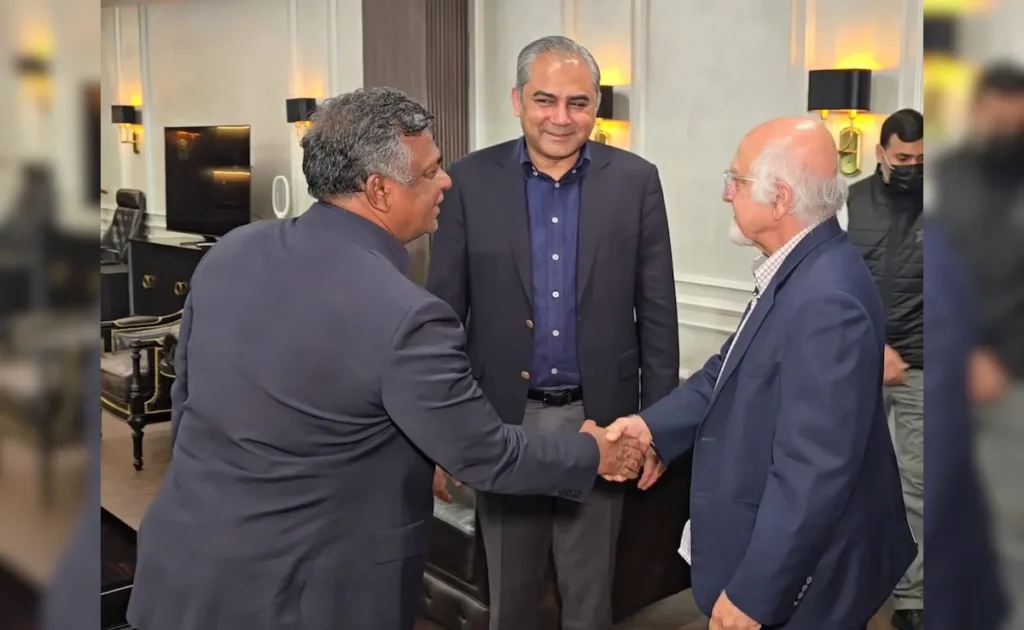
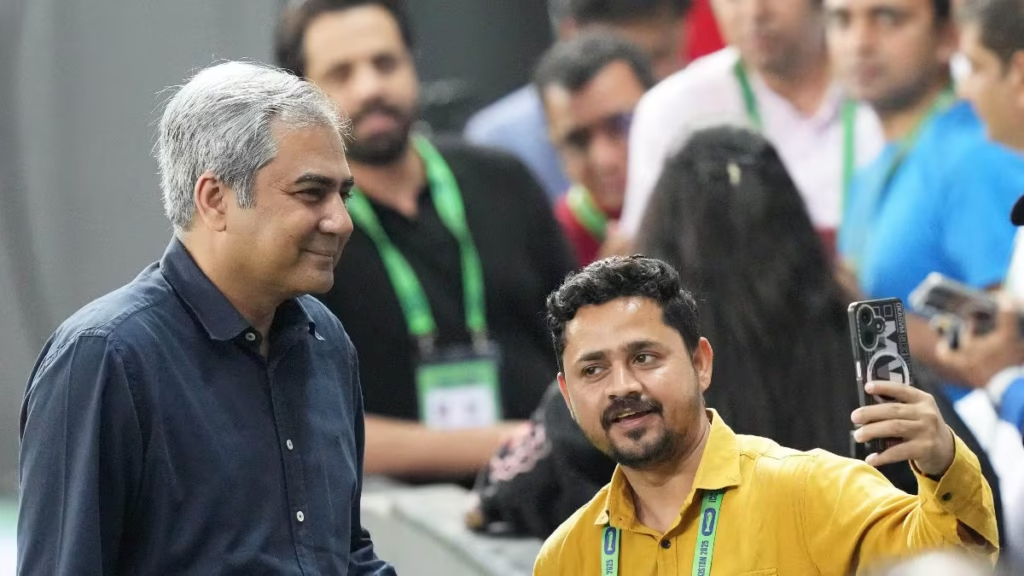
Behind the scenes, ICC deputy chair Imran Khwaja traveled to Lahore for discussions with PCB chairman Mohsin Naqvi, while UAE official Mubashir Usmani joined remotely from London. Coordination also continued from Mumbai, ultimately leading to a resolution after several days of discussions.
Bangladesh did not face any sanctions, consistent with the ICC’s neutral approach. The BCB was informed of its right to approach the Dispute Resolution Committee, and it was later awarded hosting rights for an ICC event before the 2031 World Cup, which it will co-host with the BCCI.
This episode also highlighted broader changes under Shah’s leadership since December 2024. Prize money for the Women’s World Cup was increased significantly, ticket prices for ICC events were reduced, and a special fund was created to support displaced Afghan women cricketers. Additionally, Shah engaged equally with both Full and Associate Member nations, reinforcing the ICC’s principle of equal participation among all 110 member boards.
The unity within the ICC was evident during a board vote regarding Bangladesh’s replacement in the World Cup, which passed by a 14-2 margin, with only directly affected boards opposing it.
Meanwhile, the ICC reported a strong rise in global fan engagement during the tournament. Digital platforms recorded 647 million video views—a 53% increase compared to the early days of the 2024 edition. The ICC app saw an 83% rise in users, while website traffic grew by 16%.
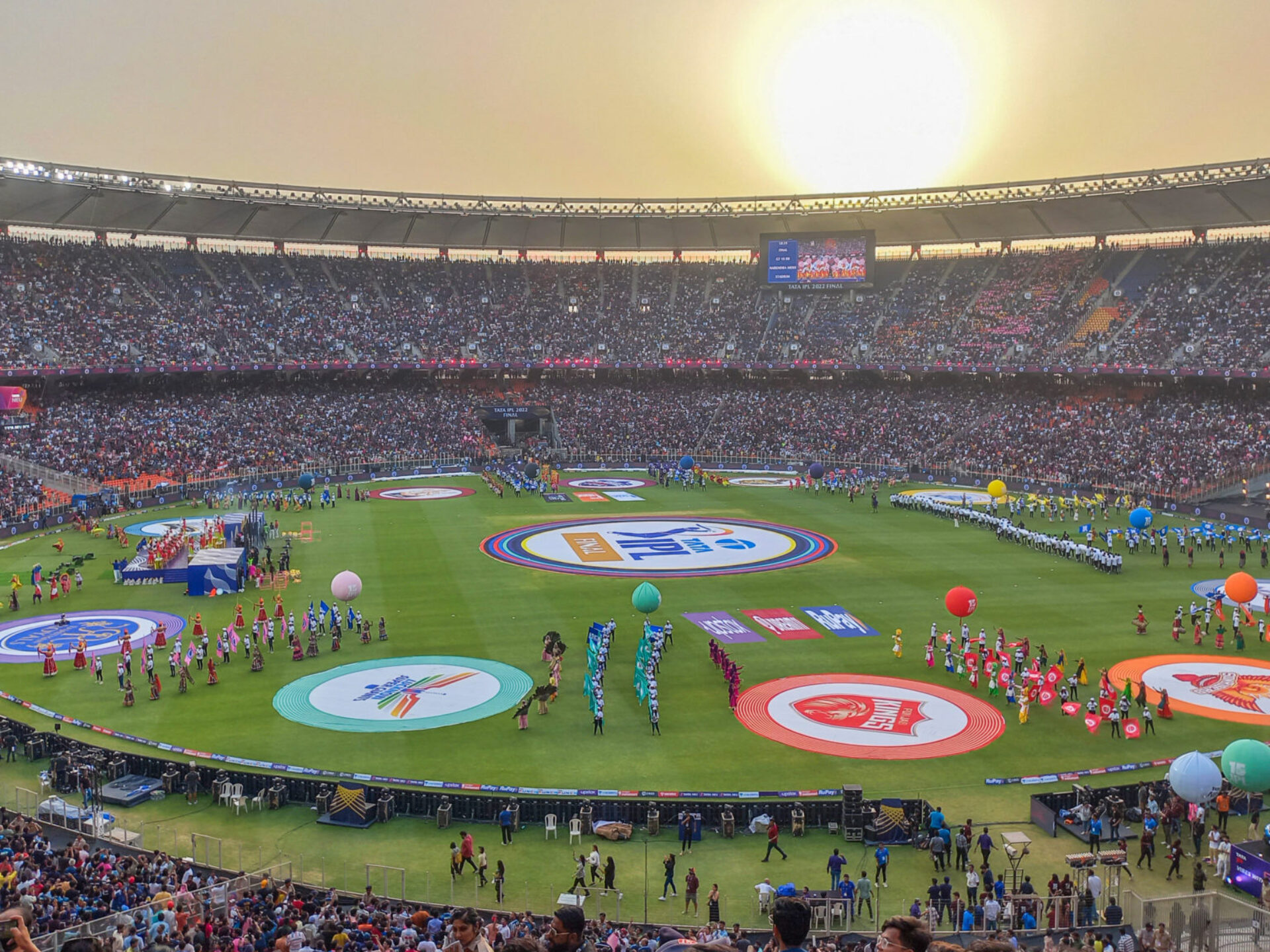
The most notable growth came from non-Full Member nations, with Nepal leading the surge at an impressive 442% increase in users. On the ground, attendance also remained strong, with India’s match against the USA at Mumbai’s Wankhede Stadium drawing the highest crowd of 24,997 over the weekend, while several other matches attracted more than 15,000 spectators.


Leave a Reply